
Industrial & Construction Safety
Specialized safety solutions for high-risk industries including construction and manufacturing.Overview
Construction and industrial environments present unique safety challenges. Our specialized services address the specific hazards of these high-risk industries, from fall protection to heavy equipment operation.
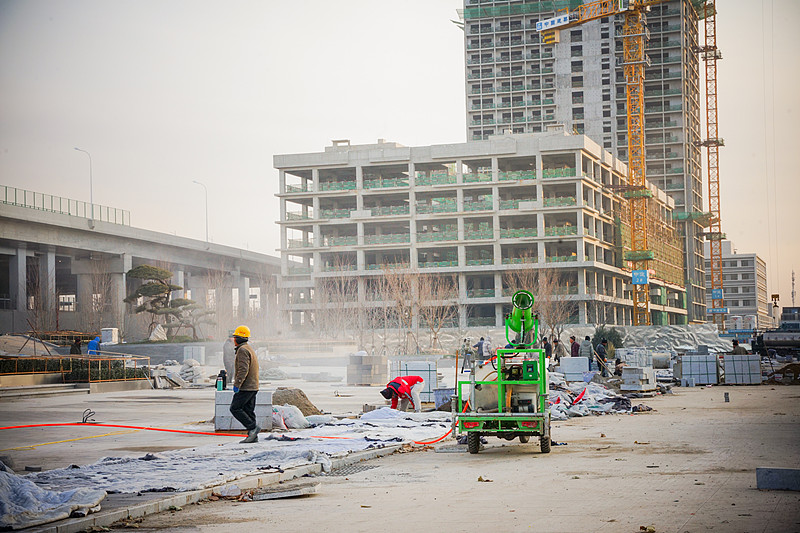
Construction Safety Management
What We Offer
Our construction safety management service provides comprehensive safety oversight for projects of any size. We develop site-specific safety plans, conduct daily inspections, facilitate toolbox talks, and ensure subcontractor compliance.
Key Benefits
- Site-specific safety plans tailored to each phase
- Subcontractor management and pre-qualification
- OSHA inspection readiness
- Reduced project delays from safety incidents
- Lower experience modification rate (EMR)
- Improved safety culture across all trades
Our Process
- Site hazard assessment and job hazard analysis
- Safety plan development by project phase
- Toolbox talk creation and delivery
- Daily safety inspections and documentation
- Subcontractor safety orientation and monitoring
- Incident investigation and corrective action
Frequently Asked Question
Yes, we provide dedicated on-site safety officers for projects of any size and duration.
Industrial Hygiene Services
What We Offer
Our industrial hygiene services protect worker health by identifying and controlling chemical, physical, biological, and ergonomic hazards. We conduct exposure monitoring, recommend controls, and help implement health surveillance programs.
Key Benefits
- Exposure monitoring for chemicals, noise, heat, and more
- Health risk identification before illness occurs
- Engineering control recommendations (ventilation, barriers)
- Medical surveillance program guidance
- OSHA compliance for health standards
- Worker health protection and wellbeing
Our Process
- Hazard identification and worker interviews
- Air/noise/heat sampling strategy development
- Sample collection and laboratory analysis
- Exposure assessment against OSHA limits
- Control recommendations with feasibility analysis
- Medical surveillance recommendations if needed
Frequently Asked Question
We monitor for silica, lead, asbestos, welding fumes, solvents, noise, heat stress, and many other hazards.
Lockout/Tagout (LOTO) Programs
What We Offer
Our Lockout/Tagout program development service helps you comply with OSHA 1910.147. We identify energy sources, develop written procedures, train authorized employees, and establish periodic inspection requirements.
Key Benefits
- OSHA-compliant written procedures
- Protects maintenance and service workers from injury
- Energy isolation verification methods
- Annual procedure reviews and certifications
- Reduced risk of amputation, electrocution, crushing
- Documentation for regulatory inspections
Our Process
- Equipment inventory and prioritization
- Energy source identification for each machine
- Procedure development with diagrams and photos
- Authorized and affected employee training
- Periodic inspection program establishment
- Annual procedure review and update
Frequently Asked Question
Any equipment with multiple energy sources (electrical, hydraulic, pneumatic, mechanical, thermal, chemical).
Machine Guarding Inspection
What We Offer
Our machine guarding inspection identifies inadequate or missing guards on your equipment. We evaluate against OSHA 1910.212 requirements and ANSI standards, then provide prioritized recommendations for guarding improvements.
Key Benefits
- Hazardous energy protection for operators
- OSHA compliance for machine guarding
- Amputation and caught-in injury prevention
- Risk reduction for point-of-operation hazards
- Prioritized recommendations by risk level
- Documentation for insurance and inspections
Our Process
- Equipment inventory and hazard identification
- Point-of-operation guarding evaluation
- Power transmission guard inspection
- Lockout/tagout integration review
- Hazard identification and risk rating
- Corrective recommendations with photo documentation
Frequently Asked Question
Missing point-of-operation guards, inadequate distance guards, unguarded power transmission parts, and bypassed interlocks.
Why Choose Coreshield 360 Consultants for Industrial & Construction Safety?
Our team includes former construction safety directors and industrial hygienists with extensive field experience in complex projects.
Ready to Get Started?
Contact our team to discuss your safety needs and get a free consultation.
Contact Us Today →